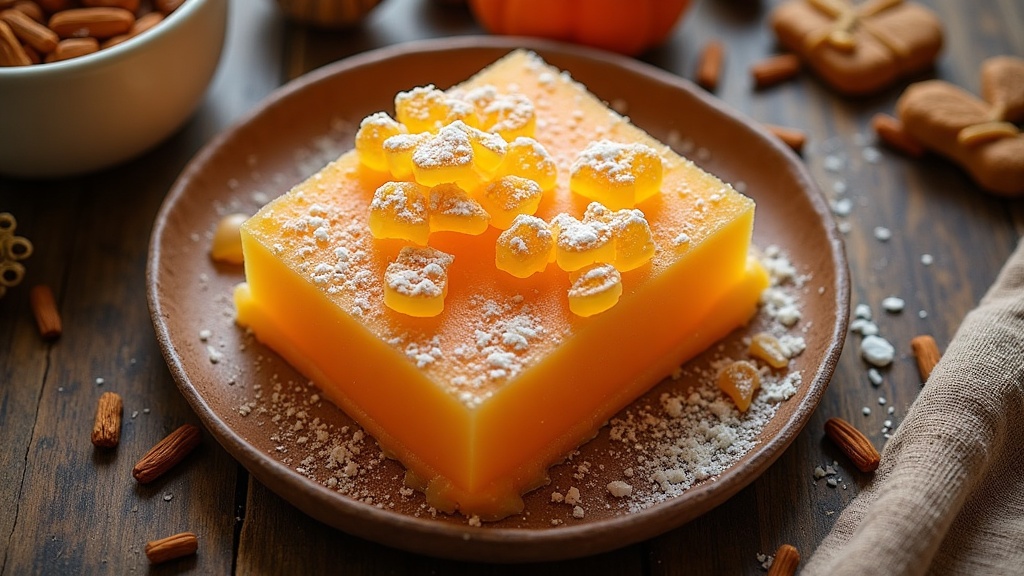
It starts with something small: a spoon, a warm cup, a quiet morning. This page looks at the traditional roles of baking soda e gelatin in home routines — from simple kitchen use to daily habit-building — with no promises attached.
Picture a Tuesday morning. Coffee’s brewing, the mirror’s a little unkind, and your rings feel snugger than they did last spring. Nothing dramatic happened. It’s just change, the slow kind — and it’s worth understanding.
Skin, joints, and connective tissue rely on collagen — and its natural production changes as the years go by.
Hunger and fullness cues can feel less predictable, making steady eating patterns harder to read.
Maintaining muscle isn't automatic — it responds to habits, movement, and consistency over time.
One-size-fits-all meal plans rarely account for how a woman's body actually changes through different life stages.
There’s a lot of noise out there. Let’s sort a few common claims from what’s actually reasonable to believe.
Metabolism Only Slows Down Because Of Age
Metabolic rate is shaped by many daily factors — sleep, movement, stress — not age alone.
Skipping Meals Speeds Everything Up
Consistent eating patterns tend to support steady energy far more than skipped meals do.
It’s All Just Willpower
Body composition involves habits, rest, and consistency working together, not willpower in isolation.
No overhauls, no extremes. Just a small routine some women choose to build into an ordinary week.
Many women start their day with a small kitchen habit — a warm cup, a familiar routine, nothing complicated.
The idea isn’t to do more. It’s to do the same small thing, on repeat, without pressure.
Energy, mood, and comfort are worth noticing too — not just what a scale says on a given morning.
Long before wellness trends had names, kitchens already had their own quiet logic. Gelatin showed up in broths and desserts passed down through generations. Baking soda sat in the same cupboard, used for baking, cleaning, and the occasional stomach settle. Neither ingredient was ever treated as special — they were just there, part of ordinary cooking.
Insight: traditional kitchens often paired simple, humble staples together long before anyone called it a ‘wellness routine.’
Feeling hungry at odd hours, or not at all when you'd expect to, can be worth noticing.
Changes in skin texture or elasticity are common and connected to collagen levels over time.
Mornings that start with stiff knees or fingers are a signal many women recognize.
The scale moving without a clear reason can be frustrating and is worth paying attention to.
That slow, heavy feeling after lunch isn't unusual, but it's worth tracking.
Brittle nails are often mentioned alongside other collagen-related changes.
These testimonials reflect individual experiences shared for illustrative purposes only. Individual results may vary and are not guaranteed.
Hydrolyzed gelatin is gelatin broken down into smaller components, which some people find easier to mix into drinks or recipes than traditional gelatin.
No. This page is educational and discusses general kitchen habits and ingredients, not a named product or treatment.
No. Nothing here is intended to diagnose, treat, cure, or prevent any condition, and no outcomes are promised.
Both are common kitchen staples with long culinary histories, which is why they’re often discussed side by side in traditional routines.
This content is general and educational. Anyone considering changes to diet or habits should speak with a healthcare professional first.
This page does not promise timelines or outcomes. Habits and body composition involve many individual factors.
The video linked on this page walks through the topic in more detail in an educational format.
Watch the short explainer video that walks through this everyday kitchen habit, start to finish.
Advertising Disclosure: This page contains sponsored content and affiliate links. We may receive compensation if you click a link or make a purchase through links on this page. This helps support the content we create.
Content Disclaimer: This content is for educational and informational purposes only. It has not been evaluated by the FDA and is not intended to diagnose, treat, cure, or prevent any disease. Always consult a qualified healthcare professional before making changes to your diet, habits, or lifestyle.
Results Disclaimer: Individual results may vary. Any testimonials or experiences shared on this page are not a guarantee of results and reflect personal opinions only.
© 2026 · All Rights Reserved · /contact/